
Commercial flat roofs are a popular choice for many businesses due to their cost-effectiveness, ease of installation, and accessibility. However, like any roofing system, they are prone to wear and tear over time, necessitating timely repair or replacement. Below we explore some of the best solutions for tackling flat roof repair and replacement problems.
1. Conduct Regular Inspections
Routine inspections are essential for identifying potential issues before they escalate into costly repairs or complete roof failure. Key elements to assess during inspections include:
– Membrane Integrity: Check for cracks, punctures, or blisters in the roofing membrane.
– Drainage Performance: Ensure there is no standing water or clogged drainage systems.
– Seam Condition: Inspect seams for signs of separation or wear.
By performing biannual inspections—preferably during spring and fall—you can proactively address small issues before they impact the functionality of your roof.
2. Patch Repairs for Minor Damages
If the damage is isolated to a small area, patching can be a quick and cost-effective solution. Steps involved in patching include:
1. Cleaning the damaged area thoroughly with a solvent to remove dirt and debris.
2. Applying an adhesive or sealant compatible with the existing roofing material (e.g., EPDM, PVC).
3. Installing a roofing patch that matches the existing membrane type to ensure seamless protection.
Patching works well for minor punctures but is not recommended as a long-term fix if structural damage has occurred.
3. Recoating With Roofing Sealants
For aging flat roofs that have lost their protective layer but still retain structural integrity, recoating offers an effective solution without requiring full replacement. Roofing coatings can:
– Enhance UV resistance and extend lifespan by several years. – Improve waterproofing performance. – Reflect heat and improve energy efficiency in commercial buildings.
Popular re-coating materials include silicone-based coatings, acrylics, and polyurethane systems.
4. Full Roof Replacement Options
When repairs become frequent or underlying issues compromise the roof’s structural integrity, full replacement may be necessary. There are various advanced materials to choose from depending on your budget and requirements: | Material Type | Advantages | Disadvantages |
|————————–|————————————————|———————————————|
| EPDM (Rubber) | Durable, resistant to UV rays; easy installation | Susceptible to punctures without proper care|
| PVC (Vinyl) | Energy-efficient; highly resistant to chemicals | High upfront cost | | TPO (Thermoplastic) | Lightweight; excellent heat reflectivity | Can shrink over time |
Consult with a professional contractor to select materials that best align with your building’s specific needs.
5. Addressing Persistent Leaks Effectively
Leaks are among the most common issues in flat roofs due to their low slope design which can allow water accumulation over time: – For isolated leaks: Use elastomeric sealants or flashing tape as temporary fixes. – For widespread leaks: Consider re-roofing with advanced waterproof membranes such as TPO or modified bitumen.
Thoroughly investigate leak sources such as skylights, HVAC units, or drains during repairs since these are common entry points for water infiltration.
Final Thoughts on Effective Solutions
While commercial flat roofs offer numerous benefits when properly maintained, delays in addressing problems can lead to significant costs down the line. Implementing regular maintenance plans along with utilizing high-quality repair solutions ensures optimal performance while reducing unexpected expenses associated with premature failures over time.
Fixing Ponding Water With Taper Systems: Commercial Roofing Company Phoenix, AZ Insights
Ponding water is one of the most common challenges faced by commercial flat roofs. This issue arises when water fails to drain properly and remains stagnant on the roof surface for an extended period. Addressing ponding water promptly is essential to prevent structural damage, leaks, and reduced roof lifespan. One of the most effective solutions to this problem is the installation of taper systems.
How to Prevent Ponding Water with a Commercial Roofing Contractor in Phoenix, AZ
- Poor Drainage Systems: Inadequate or clogged drainage systems prevent water from being properly diverted.
- Structural Settling: Over time, buildings may settle unevenly, causing low points in the roof where water can collect.
- Improper Slope Design: Flat roofs often lack an adequate slope to facilitate water runoff.
- Worn Roofing Materials: Aging materials may sag or lose their shape, leading to areas where water can pool.
The Importance of Fixing Ponding Water for Industrial Roofing in Phoenix, AZ
| Problem | Impact |
| Membrane Deterioration | Prolonged exposure to standing water degrades roofing materials, leading to leaks and tears. |
| Structural Weakness | Excessive weight from accumulated water can strain or damage the building’s structure over time. |
| Mold and Mildew Growth | Standing water creates an ideal environment for mold and mildew, which can affect air quality inside the building. |
| Reduced Lifespan | Persistent issues shorten the overall lifespan of your roofing system, leading to costly repairs or replacements sooner than expected. |
How Commercial Flat Roofing in Phoenix, AZ Can Solve Ponding Issues with Taper Systems
- Taper systems use sloped insulation boards that are installed beneath the roof membrane.
- These boards are tailored based on your roof’s layout and existing drainage points.
- By guiding water toward specific outlets, taper systems ensure faster removal of rainwater.
- This minimizes instances of pooling even during heavy storms.
- Redirecting ponded areas helps evenly distribute weight across the roof surface.
- This reduces strain on critical structural points.
- Modern taper systems often use high-performance insulation materials.
- These materials improve thermal performance while addressing drainage concerns.
Essential Steps for Commercial Roof Installation in Phoenix, AZ
- Conduct a thorough inspection of your current roofing structure to identify areas prone to pooling.
- Consult with a professional roofing contractor experienced in designing custom taper layouts.
- Select high-quality insulation boards that align with your building’s needs (e.g., fire resistance or energy efficiency).
- Remove any damaged sections of the existing membrane before installing tapered layers.
- Securely adhere or mechanically fasten each layer according to manufacturer specifications.
- Test drainage performance after installation by simulating rainfall conditions.
Benefits of Taper Systems in Commercial Roofing
- Prevents long-term damage caused by standing water.
- Extends the overall lifespan of your roofing investment.
- Enhances energy efficiency through added insulation layers.
- Reduces maintenance costs associated with frequent repairs due to leaks or mold growth.
Addressing ponding issues using modern techniques like taper systems ensures that commercial flat roofs remain durable and efficient over time while protecting both structural integrity and interior spaces below them.
Understanding the Importance of Fixing Ponding Water With Taper Systems on Flat Roofs
Ponding water on commercial flat roofs is a common but significant issue that can lead to severe damage if not addressed promptly. This problem arises when water collects in low areas of the roof and fails to drain properly. Over time, stagnating water can compromise the integrity of the roof, resulting in leaks, structural deterioration, and costly repairs. Implementing taper systems is one of the most effective ways to resolve ponding water issues and prevent long-term damage.
The Risks of Ponding Water
- Accelerated Membrane Degradation: Standing water can degrade roofing materials, especially if exposed over long periods. UV rays combined with moisture lead to faster wear and tear.
- Structural Damage: Excess weight from standing water adds stress to the building’s structure, potentially causing sagging or cracks.
- Increased Risk of Leaks: Prolonged exposure to ponding creates stress points where leaks are more likely to develop.
- Growth of Mold or Algae: Stagnant water encourages mold and algae growth, which can further weaken roofing materials and create health hazards.
Given these risks, addressing ponding issues promptly is essential for maintaining a functional and durable roofing system.
What Are Taper Systems?
Taper systems are designed to enhance drainage capabilities on flat roofs by creating gentle slopes that guide water toward drains or scuppers. These systems use tapered insulation boards strategically placed under the roof surface to ensure proper runoff.
Key features of taper systems include: – Customizable Design: Tapered insulation can be tailored for specific roof layouts. – Improved Drainage: By directing rainwater toward designated drainage points, taper systems reduce standing water accumulation. – Energy Efficiency Benefits: Many tapered insulation products also provide thermal insulation, improving energy efficiency within a facility.
Benefits of Fixing Ponding Water With Taper Systems
- Extended Roof Lifespan
Proper drainage reduces stress on roofing materials caused by prolonged exposure to moisture, extending their lifespan. - Cost Savings on Repairs
Preventative measures like installing taper systems reduce the need for expensive repairs or premature roof replacements due to damage caused by ponding. - Enhanced Building Safety
By mitigating structural stresses associated with standing water accumulation, taper systems contribute to overall building safety. - Compliance With Building Codes
Many municipalities require effective drainage solutions for commercial flat roofs under building codes.
Tips for Implementing a Taper System
When considering taper systems for your commercial property: – Conduct a thorough inspection of your current roof condition. – Consult with professional roofing contractors experienced in designing and installing customized taper solutions. – Choose high-quality materials that align with your budget and energy efficiency goals. – Ensure proper maintenance after installation by regularly cleaning drains and inspecting slopes.
| Key Factor | Best Practice |
| Material Selection | Use durable tapered insulation |
| Design | Tailor the slope design per layout |
| Installation Expert | Hire certified professionals |
| Post-install Maintenance | Regularly inspect drainage paths |
Properly addressing ponding using a well-designed taper system contributes significantly to preserving your investment while ensuring long-term durability and functionality for your commercial flat roof. Prioritizing this solution minimizes risks associated with stagnant water while improving overall performance.
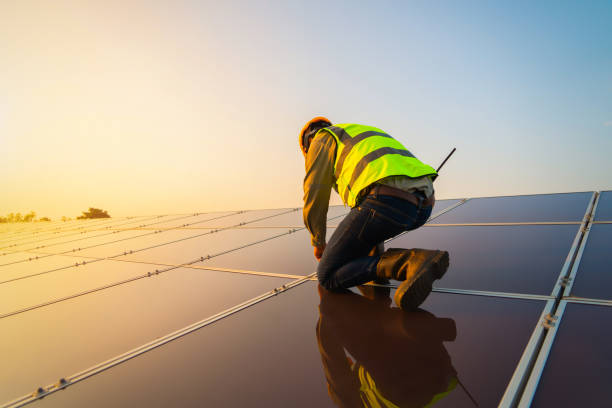
Comprehensive Guide to Replacing Damaged Membranes in Commercial Roofing
Replacing damaged membranes in commercial roofing is a critical process to maintain the structural integrity of your building and protect it from environmental elements. Damaged membranes can lead to leaks, energy inefficiency, and further structural issues if not addressed promptly and effectively. This guide provides a detailed approach to identifying, assessing, and replacing damaged roofing membranes for optimal results.
Why Damaged Membranes Require Immediate Attention
- Water Damage: Tears or punctures allow moisture to seep into underlying layers, potentially leading to mold growth and weakened infrastructure.
- Energy Loss: A damaged membrane affects insulation efficiency, increasing energy costs due to heat loss or gain.
- Structural Deterioration: Over time, water intrusion accelerates rusting of metal components or rotting of wooden framing within the roof system.
Step-by-Step Process for Membrane Replacement
- Roof Inspection
Begin by conducting a thorough inspection of the roof surface to identify areas with visible damage such as cracks, blisters, or punctures. It’s essential to identify both obvious and hidden issues using techniques like infrared scanning for moisture detection beneath the surface. - Material Selection
Choose appropriate replacement materials based on the existing roof type (e.g., EPDM rubber membrane, TPO membrane, PVC membrane). Consider factors like durability, weather resistance, compatibility with existing roofing systems, and cost-effectiveness. - Clean the affected area thoroughly by removing dirt, debris, or old adhesive remnants.
- Ensure that the substrate is dry before proceeding with any repairs or replacements.
- Cut away sections of damaged membrane that cannot be salvaged.
- Apply primer if required based on manufacturer recommendations.
- Position and secure the new membrane section over the prepared area using mechanical fasteners or adhesive systems as applicable.
- Smooth out air bubbles during installation using a roller for uniform adhesion.
- Use seam tapes or liquid-applied sealants along edges and overlapping areas.
- Verify all seams are watertight by performing a quality assurance check after curing time has elapsed.
- Post-Replacement Inspection
Conduct another inspection after repairs are complete to ensure all work meets required standards of performance and durability.
Tips for Ensuring Long-Term Success
- Schedule regular preventative maintenance inspections every 6–12 months.
- Invest in high-quality roofing materials suited for your building’s specific needs.
- Train personnel on early identification of damages like ponding water or seam separations.
| Membrane Type | Lifespan (Years) | Key Benefits |
| EPDM | 20–30 | Affordable; excellent UV resistance |
| TPO | 15–25 | Energy-efficient; heat-weldable seams |
| PVC | 20+ | Durable; chemical-resistant |
Replacing damaged membranes is an investment in both protection and performance for your commercial property’s roof system. By following these strategies carefully and collaborating with experienced professionals when needed, you can extend your roof’s lifespan while minimizing unexpected repair costs over time.
Effective Strategies for Addressing Structural Weaknesses in Commercial Roofing Systems
Structural weaknesses in commercial roofing systems can lead to severe issues if not appropriately addressed. These weaknesses may arise from poor installation, aging materials, weather-related damage, or a lack of regular maintenance. Below, we explore effective strategies for identifying and resolving structural deficiencies to ensure the longevity and performance of your commercial roof.
Identifying Structural Weaknesses
- Sagging or uneven surfaces: This might indicate compromised decking or underlying support failure.
- Cracks in the roofing material: Visible cracks or splits can allow water infiltration and reduce structural integrity.
- Water pooling (ponding): Persistent standing water may add unnecessary weight and strain on the roof structure.
- Interior leaks or stains: Water damage inside the building may signal roof system failures.
Routine inspections by trained professionals can help pinpoint these issues early before they escalate into more significant problems.
Strengthening Structural Integrity
1. Reinforce Roof Decking
Roof decking serves as the foundation of any commercial roofing system. If it is compromised: – Replace damaged decking with durable materials like steel or plywood. – Add reinforcements such as additional joists or metal plates to strengthen weak sections.
2. Upgrade Load-Bearing Capacities
If your roof consistently supports heavy equipment such as HVAC units: – Distribute weight evenly using load-spreading platforms. – Incorporate additional support beams to accommodate increased loads.
3. Repair Trusses and Joists
Damaged trusses or joists need immediate attention: – Inspect for signs of rot, warping, or cracking in wooden structures. – Replace any weakened components with treated lumber or steel alternatives for durability.
Preventing Future Structural Issues
| Preventative Measure | Description |
| Routine Inspections | Conduct biannual inspections to catch small problems before they worsen. |
| Regular Maintenance | Clean drains and gutters to prevent blockages that could strain the roof. |
| Weatherproof Coatings | Apply protective coatings to guard against UV rays, moisture, and debris. |
| Employee Training | Train staff on proper rooftop usage to avoid unnecessary wear and tear. |
Partner With Experts
Addressing structural weaknesses requires technical expertise that only trained professionals can provide: 1. Hire licensed roofing contractors specializing in commercial systems for assessments and repairs. 2. Work with engineers when modifying load-bearing structures to ensure compliance with local building codes. 3. Invest in long-term partnerships with trusted service providers for ongoing maintenance support.
A proactive approach combined with expert assistance ensures that your commercial roofing system remains safe, stable, and operational for years to come while preventing costly repairs down the line.
- How Commercial Roofing in Phoenix, AZ Ensures Long-Term Durability and Asset Management
- The Complete Guide to Commercial Roofing Phoenix, AZ Installation
- Essential Preparation and Assessment for Commercial Roofing Phoenix, AZ Installations
- Comprehensive Guide to Choosing a Commercial Roofing Company Phoenix, AZ
- Top Solutions for Commercial Roofing Phoenix, AZ: Repair and Replacement Experts
- The Ultimate Guide to Hiring a Commercial Roofing Company in Phoenix, AZ
- Understanding the Role of a Commercial Roofing Contractor in Phoenix, AZ