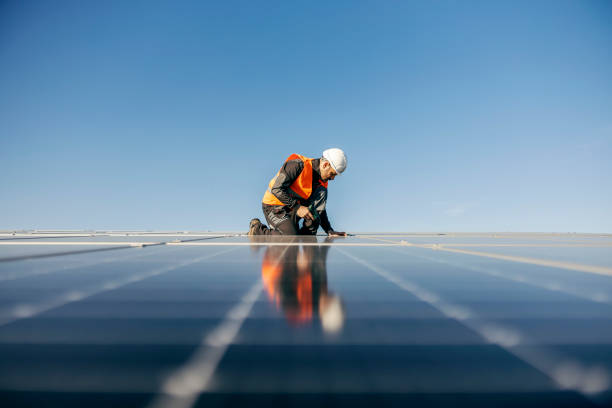
Worker kneeling and sets solar panel. A handyman on the rooftop installing solar panels. Industrial Roofing stock pictures, royalty-free photos & images

Commercial roof replacement is a critical investment for businesses, impacting not only the structural integrity of your building but also its energy efficiency and long-term value. Making informed decisions about replacing a commercial roof requires understanding key factors such as material options, costs, and the overall process. This guide breaks down important considerations to help you make the best choice for your business.

Why Commercial Roof Replacement Matters

  • Water Leaks: Damaged roofs often cause water infiltration that can disrupt operations and damage interior spaces.
  • Increased Energy Costs: Older or damaged roofing systems may lack proper insulation, leading to higher heating or cooling bills.
  • Safety Hazards: Compromised roofs pose risks of collapse or other structural failures that could endanger employees and customers.

Regular inspections and timely replacements help mitigate these risks while improving building performance.

Key Factors to Consider When Replacing a Commercial Roof

  1. Building Requirements
    Evaluate the unique characteristics of your building, including size, slope, and structural load capacity. These will determine which roofing materials are appropriate for your property.
  2. Climate Conditions
    Consider weather patterns in your area—hot climates may benefit from reflective materials that reduce heat absorption, while regions with heavy snowfall require durable designs that handle weight effectively.
  3. Material Selection
    Choosing the right material is crucial for longevity and cost-effectiveness. Popular options include:
  4. TPO (Thermoplastic Polyolefin): Lightweight, energy-efficient, and affordable.
  5. EPDM (Ethylene Propylene Diene Monomer): Known for its durability and resistance to extreme temperatures.
  6. Metal Roofing: Long-lasting with excellent weather resistance but often higher upfront costs.
  7. Modified Bitumen: A budget-friendly choice offering decent strength against wear-and-tear.
  8. Budgeting & Costs
    The cost of replacing a commercial roof depends on factors like material type, labor fees, removal costs for old roofing systems, and added features such as insulation upgrades or drainage improvements (see table below).
Material Type Average Cost Per Square Foot (Installed)
TPO $5–$8
EPDM $4–$6
Metal Roofing $7–$12
Modified Bitumen $3–$6
  1. Local Regulations & Codes
    Ensure compliance with local building codes when selecting materials or making structural modifications during roof replacement projects.

Steps to Streamline Your Decision-Making Process

  • Conduct a professional inspection to assess current damage levels.
  • Compare material options based on durability, cost-efficiency, aesthetics, and suitability for your climate.
  • Request multiple quotes from reputable contractors before finalizing one provider.
  • Explore financing options like government incentives or low-interest loans aimed at promoting energy-efficient upgrades.

By weighing all available options carefully while working with experienced professionals in the industry, businesses can ensure they select an optimal roofing solution suited to their operational needs.

Essential Insights and Services from a Commercial Roofing Contractor Phoenix, AZ

Commercial roof replacement is an essential undertaking for businesses aiming to maintain structural integrity, ensure safety, and protect their assets. A roof is a building’s first line of defense against environmental elements, and over time, wear and tear can severely compromise its performance. Understanding the fundamentals of commercial roof replacement helps business owners make informed decisions when addressing roofing issues.

Why Is Commercial Roof Replacement Important?

  • Structural Integrity: A deteriorating roof can lead to leaks, water damage, mold growth, and compromised structural components.
  • Energy Efficiency: Modern roofing materials can enhance insulation, reducing energy consumption and lowering utility bills.
  • Enhanced Safety: An unstable or damaged roof poses risks to employees, customers, and valuable equipment inside the building.
  • Compliance with Building Codes: Regular upgrades ensure adherence to safety standards and local regulations.

Common Reasons for Roof Replacement

  • Extensive water leaks or moisture infiltration
  • Visible sagging or structural compromise
  • Materials nearing or exceeding their expected lifespan (e.g., 15–40 years depending on material)
  • Damage from severe weather events such as hailstorms or hurricanes
  • Growth of mold or mildew due to prolonged exposure to moisture

Signs It’s Time to Consider Roof Replacement

  1. Persistent leaks that reappear despite repeated repairs
  2. Blistering, cracking, or peeling on the surface
  3. Rising energy bills due to poor insulation performance
  4. Pooling water on flat roofs after rainfall
  5. Visible rust, corrosion on metal components

Factors Influencing Roof Lifespan

Roofing Material Expected Lifespan (Years)
EPDM 20–30
TPO 15–25
PVC 20–30
Asphalt Shingles 15–20
Metal Roofing 40–70

Additionally, proper maintenance plays a critical role in extending the life of your commercial roofing system.

Proactive Steps for Business Owners

  • Schedule regular professional inspections (at least twice a year).
  • Address minor repairs promptly to avoid escalation.
  • Ensure proper drainage systems are in place to prevent ponding issues.

By understanding the necessity and intricacies of commercial roof replacement, business owners can safeguard their investments while creating a safe environment for all stakeholders involved with their operations.

Understanding Industrial Roofing Phoenix, AZ: Costs and Financing Options for Businesses

When considering a commercial roof replacement, understanding the costs and available financing options is essential for effective budget planning. Roof replacement is a significant investment, but it offers long-term benefits such as increased energy efficiency, improved durability, and enhanced property value. Below, we explore the factors influencing costs and the financing options available to businesses.

Factors Influencing Commercial Roof Replacement Costs

  • Roof Size: Larger roofs require more materials and labor, which increases costs proportionally.
  • Roofing Material: The type of material impacts expenses significantly. For example:
  • Single-ply membranes (e.g., TPO or EPDM) are generally more affordable.
  • Metal roofing offers durability but tends to be more expensive upfront.
  • Green roofs or solar-integrated systems have higher initial costs but provide energy-saving benefits over time.
  • Roof Condition: The state of the existing roof is critical. If significant structural repairs or tear-offs are required, it will add to the total cost.
  • Installation Method: The complexity of installation — whether it’s overlaying an existing roof or full removal — affects labor expenses.
  • Local Regulations: Compliance with municipal codes or environmental requirements might necessitate additional steps that increase costs.
  • Warranty Coverage: Extended warranties often come with higher upfront charges but offer long-term peace of mind.
Factor Impact on Cost
Size Proportional to square footage
Material Choice Varies by type (e.g., metal vs TPO)
Roof Condition Repairs/tear-offs increase cost
Installation Method Complexity affects labor fees
Local Regulations Additional compliance measures

Financing Options for Businesses

  1. Businesses can secure loans through banks to cover roofing expenses.
  2. Competitive interest rates may be available based on creditworthiness.
  3. Some lenders specialize in providing loans tailored for facility upgrades like roofing projects.
  4. These programs allow property owners to finance energy-efficient improvements like cool roofs or solar installations through property tax assessments.
  5. Some manufacturers offer leasing solutions where businesses pay installments over time rather than upfront lump sums.
  6. Federal or state programs may provide grants for sustainable roofing systems.
  7. Tax credits may also apply for energy-efficient upgrades (e.g., installing reflective coatings).
  8. Some organizations choose to allocate internal budgets toward roofing replacements by planning ahead and establishing reserve funds.

Tips for Managing Roofing Budget

To optimize your spending: – Obtain multiple quotes from certified contractors. – Prioritize long-term efficiency over short-term savings when selecting materials. – Work with financial advisors or consultants specializing in capital improvement projects.

Understanding the financial aspects of commercial roof replacement ensures that businesses can make informed decisions while managing their budgets effectively.

Solar Energy Technicians Work To Install Solar Panels on Residential Roof Workers install a solar panel system on the roof of a home in a residential neighborhood. Clean, environmentally friendly energy. Shot in Washington state, USA. Industrial Roofing stock pictures, royalty-free photos & images

Exploring Commercial Flat Roofing Phoenix, AZ: Replacement Costs and Financing Options for Businesses

When considering a commercial roof replacement, understanding the associated costs and exploring financing options is crucial for business owners. The cost of replacing a commercial roof can vary significantly depending on factors such as roof size, materials used, labor involved, and the complexity of the installation process. In this section, we’ll break down these costs and discuss financing solutions to make the process manageable for businesses.

Key Factors Influencing Commercial Roof Replacement Costs

  • Roof Size: Larger roofs require more materials and labor, increasing the overall cost.
  • Material Choice: The type of roofing material selected significantly impacts pricing. For example:
  • TPO (Thermoplastic Polyolefin): $5–$10 per square foot
  • EPDM (Ethylene Propylene Diene Monomer): $4–$8 per square foot
  • Metal Roofing: $7–$12 per square foot
  • Built-Up Roofing (BUR): $5–$9 per square foot
  • Roof Condition: If significant structural repairs or removal of old materials are required, expect additional charges.
  • Installation Complexity: Features such as skylights, HVAC systems, or irregular roof shapes can drive up labor costs.
  • Location: Labor rates and material availability vary by region, impacting pricing.

Estimated Cost Breakdown

Roofing Material Cost per Square Foot Lifespan
TPO $5–$10 15–20 years
EPDM $4–$8 20–25 years
Metal $7–$12 40+ years
Built-Up Roofing $5–$9 15–30 years

Keep in mind that additional expenses such as permitting fees and inspections may also apply.

Financing Options for Commercial Roof Replacements

  1. Commercial Loans
    Many banks and credit unions offer loans specifically tailored to commercial property improvements. Interest rates and terms vary depending on credit history and the financial strength of your business.
  2. Lease-to-Own Programs
    Some roofing contractors provide lease-to-own programs where payments are spread over time while allowing immediate access to a new roofing system.
  3. Property-Assessed Clean Energy (PACE) Financing
    If your chosen roofing system includes energy-efficient features like solar panels or reflective materials, PACE financing may be an option. This program allows property owners to repay improvement costs through property taxes over an extended period.
  4. Manufacturer Financing
    Certain manufacturers partner with financial institutions to offer flexible payment plans directly to customers purchasing their products.
  5. Grants or Government Incentives
    Depending on your location and type of business, you may qualify for grants or tax incentives aimed at promoting energy-efficient upgrades.

Tips for Managing Costs

  • Get multiple quotes from reputable contractors.
  • Evaluate long-term savings from investing in durable or energy-efficient materials.
  • Consider scheduling replacements during off-seasons when demand—and prices—may be lower.
  • Work with contractors experienced in securing permits and adhering to local regulations to avoid costly delays.

By carefully assessing your needs and leveraging available resources, you can manage commercial roof replacement costs effectively while maintaining your building’s structural integrity and value.

How to Determine if Your Commercial Roofing Phoenix, AZ Property Needs Replacement or Repairs

Proper maintenance of a commercial roof is essential for protecting your investment and ensuring the safety of your business operations. However, it can be challenging to decide whether your roof needs repairs or a full replacement. To make an informed decision, consider the following factors, signs, and evaluation methods.

Essential Tips for Commercial Roof Installation in Phoenix, AZ

  • Minor Leaks: Small water leaks that are localized and not widespread.
  • Damaged Flashing: Flashing around vents, skylights, or chimneys that has minor issues but isn’t severely compromised.
  • Ponding Water: Small areas where water collects but does not cause significant structural damage.
  • Loose Material: Loose shingles or sections of roofing material that can be repaired without replacing an entire section of the roof.

For these problems, a professional roofing contractor can typically perform targeted repairs to restore functionality and prevent further damage.

Signs Your Roof May Require Replacement

  • Age of the Roof: Most commercial roofs last 20–30 years depending on materials and maintenance. If your roof is nearing this age range, replacement should be considered.
  • Extensive Damage: Widespread damage such as missing materials across large areas or consistent structural issues throughout the roof.
  • Recurring Issues: Ongoing problems such as persistent leaks or mold growth even after multiple repairs may signify underlying failures in the roofing system.
  • Significant Energy Loss: If heating and cooling bills are rising due to poor insulation from an aging roof, upgrading to modern materials could improve energy efficiency.

Evaluation Methods for Determining Next Steps

  1. Professional Inspection: Hire a licensed roofer to evaluate the integrity of your current system. They will look for structural weaknesses, water damage, and wear patterns.
  2. Moisture Surveys: Advanced moisture detection tools like infrared technology can identify hidden water intrusion areas that aren’t visible during a standard inspection.
  3. Cost-Benefit Analysis: Compare repair costs versus replacement costs over time (including maintenance). A repair may save money upfront but become more expensive if repeated frequently.
  4. Warranty Considerations: Check if your existing warranty covers certain defects or damages—this could influence whether you invest in repairs or opt for new construction.
Factors Repair Replacement
Cost Lower upfront Higher upfront but long-term savings
Lifespan Extension Short-term improvement 20–30 years (depending on material)
Disruption Level Minimal Higher (but manageable with planning)

Minimizing Business Disruptions During Repairs or Replacement

  • Work with contractors to schedule work during off-hours if possible.
  • Inform employees about potential noise levels and adjust workspace arrangements accordingly.
  • Establish clear communication channels with contractors to address unexpected delays quickly.

Making an informed choice between repairing and replacing your commercial roof ensures you address current problems while safeguarding long-term performance goals.

What to Expect During a Commercial Roof Replacement Process: Minimizing Disruptions for Your Business

When it’s time to replace your commercial roof, understanding the process and how to minimize disruptions is crucial for maintaining business operations. A professional roofing contractor will guide you through the project from start to finish, but having a clear picture of what to expect can help you plan effectively.

Steps in the Commercial Roof Replacement Process

  1. Initial Inspection and Assessment
    A comprehensive roof inspection is conducted to identify existing issues like leaks, structural weaknesses, or outdated materials. This helps determine the scope of work and ensures proper planning.
  2. Detailed Project Planning
    The contractor will create a detailed project timeline that includes material selection, scheduling, permits, and safety protocols. This phase also focuses on coordinating work hours to avoid interfering with your business operations.
  3. Removal of the Old Roofing System
    The existing roof materials are carefully removed in sections to minimize disruption and ensure safety on-site. Any underlying damage, such as rotting or compromised insulation, is addressed promptly.
  4. Installation of New Roofing Materials
    Based on your chosen roofing system (e.g., TPO, EPDM, metal), installation begins with laying insulation layers followed by waterproofing membranes or panels. Proper installation practices are critical for longevity and energy efficiency.
  5. Final Inspection and Cleanup
    Once installed, the new roof undergoes a final inspection to confirm compliance with building codes and quality standards. The worksite is cleaned thoroughly before handing over the space back to you.

Minimizing Disruptions During Roof Replacement

  • Schedule Work During Off-Peak Hours
    Plan roofing activities during weekends or non-operational hours when there’s minimal staff or customer presence.
  • Develop Communication Plans
    Keep employees informed about project timelines and areas that might be restricted during replacement activities.
  • Work in Phases:
    If your facility has multiple sections or zones, consider phasing out construction so only small portions are worked on at any given time.
  • Temporary Noise Mitigation:
    Speak with contractors about reducing noise levels by using quieter equipment or scheduling loud tasks strategically.

Example Timeline: A Commercial Roof Replacement Project

Phase Expected Timeline Key Activities
Initial Inspection 1–2 Days Assess existing conditions
Materials Procurement 1–2 Weeks* Ordering materials based on availability
Installation Varies (1–3 weeks)** Removal of old roof & installation
Final Inspection & Cleanup 1 Day Quality checks and returning space as-is

* Lead times may vary depending on material types. ** Duration depends on property size and complexity of design.

Benefits of Professional Project Management

  • Advanced scheduling techniques tailored for businesses.
  • Compliance with building codes while maintaining safety standards.
  • Quick troubleshooting in case unforeseen challenges arise during implementation.

Understanding what happens during a commercial roof replacement helps you prepare effectively while ensuring smooth operations throughout the process.

Exploring Tax Benefits and Incentives for Upgrading Your Commercial Roofing System

Investing in a new commercial roofing system has more advantages than just durability, energy efficiency, or aesthetics. Businesses can also benefit from various tax breaks and incentives that help offset the cost of the upgrade. Understanding these benefits can make your investment more financially strategic.

Key Tax Benefits of Commercial Roof Upgrades

  • Section 179 Deduction: Section 179 of the IRS tax code allows businesses to deduct the full cost of qualifying roof improvements as an expense during the same year they were purchased and installed. This deduction is particularly beneficial for businesses looking to manage cash flow effectively.
  • Bonus Depreciation: For certain eligible roofing systems, bonus depreciation may apply, allowing property owners to claim a large portion of their investment in a shorter period.
  • Energy Efficiency Tax Incentives: Energy-efficient roofs may qualify for federal or state-level incentives under programs like the Energy Policy Act (EPACT). Reflective coatings and cool roofing systems often fall into this category.
Tax Benefit Description Potential Savings
Section 179 Deduction Deducts full cost in year one Varies based on roof cost
Bonus Depreciation Accelerated write-offs for eligible roofs Up to 100% in some cases
Energy Efficiency Rewards roofs meeting EPACT standards $0.60-$1.80 per square foot

State and Local Incentives

  • Rebate Programs: Some utility companies provide rebates for reflective or solar-integrated roofing systems.
  • Green Building Credits: Certain states provide additional credits for environmentally sustainable construction practices that include materials like TPO membranes or green roofs.
  • Property Tax Relief: Some jurisdictions offer reduced property taxes for buildings meeting specific energy efficiency standards after a roof upgrade.

It’s recommended to consult with local government offices or utility providers to explore available programs tailored to your region.

How to Maximize Financial Returns

  1. Consult With a Tax Professional
    A certified tax advisor can help identify which deductions or credits are applicable based on your business structure and location.
  2. Invest in Roofing Systems That Qualify for Incentives
    Prioritize materials that meet recognized energy efficiency standards such as ENERGY STAR® certification.
  3. Keep Detailed Records
    Maintain thorough documentation of costs incurred during installation, including receipts, certifications, and inspection reports.
  4. Combine Federal & State Incentives When Possible
    Many incentive programs can be layered together, providing maximum savings opportunities.

By understanding available tax benefits upfront and working with industry experts, you can reduce financial burdens while enhancing your facility’s long-term value through an upgraded commercial roofing system.


domestic solar panel installation solar panel installer Industrial Roofing stock pictures, royalty-free photos & images

Commercial flat roofs are a popular choice for many businesses due to their cost-effectiveness, ease of installation, and accessibility. However, like any roofing system, they are prone to wear and tear over time, necessitating timely repair or replacement. Below we explore some of the best solutions for tackling flat roof repair and replacement problems.

1. Conduct Regular Inspections

Routine inspections are essential for identifying potential issues before they escalate into costly repairs or complete roof failure. Key elements to assess during inspections include:
Membrane Integrity: Check for cracks, punctures, or blisters in the roofing membrane.
Drainage Performance: Ensure there is no standing water or clogged drainage systems.
Seam Condition: Inspect seams for signs of separation or wear.

By performing biannual inspections—preferably during spring and fall—you can proactively address small issues before they impact the functionality of your roof.

2. Patch Repairs for Minor Damages

If the damage is isolated to a small area, patching can be a quick and cost-effective solution. Steps involved in patching include:
1. Cleaning the damaged area thoroughly with a solvent to remove dirt and debris.
2. Applying an adhesive or sealant compatible with the existing roofing material (e.g., EPDM, PVC).
3. Installing a roofing patch that matches the existing membrane type to ensure seamless protection.

Patching works well for minor punctures but is not recommended as a long-term fix if structural damage has occurred.

3. Recoating With Roofing Sealants

For aging flat roofs that have lost their protective layer but still retain structural integrity, recoating offers an effective solution without requiring full replacement. Roofing coatings can:
– Enhance UV resistance and extend lifespan by several years. – Improve waterproofing performance. – Reflect heat and improve energy efficiency in commercial buildings.

Popular re-coating materials include silicone-based coatings, acrylics, and polyurethane systems.

4. Full Roof Replacement Options

When repairs become frequent or underlying issues compromise the roof’s structural integrity, full replacement may be necessary. There are various advanced materials to choose from depending on your budget and requirements: | Material Type | Advantages | Disadvantages |
|————————–|————————————————|———————————————|
| EPDM (Rubber) | Durable, resistant to UV rays; easy installation | Susceptible to punctures without proper care|
| PVC (Vinyl) | Energy-efficient; highly resistant to chemicals | High upfront cost | | TPO (Thermoplastic) | Lightweight; excellent heat reflectivity | Can shrink over time |

Consult with a professional contractor to select materials that best align with your building’s specific needs.

5. Addressing Persistent Leaks Effectively

Leaks are among the most common issues in flat roofs due to their low slope design which can allow water accumulation over time: – For isolated leaks: Use elastomeric sealants or flashing tape as temporary fixes. – For widespread leaks: Consider re-roofing with advanced waterproof membranes such as TPO or modified bitumen.

Thoroughly investigate leak sources such as skylights, HVAC units, or drains during repairs since these are common entry points for water infiltration.

Final Thoughts on Effective Solutions

While commercial flat roofs offer numerous benefits when properly maintained, delays in addressing problems can lead to significant costs down the line. Implementing regular maintenance plans along with utilizing high-quality repair solutions ensures optimal performance while reducing unexpected expenses associated with premature failures over time.

Fixing Ponding Water With Taper Systems: Commercial Roofing Company Phoenix, AZ Insights

Ponding water is one of the most common challenges faced by commercial flat roofs. This issue arises when water fails to drain properly and remains stagnant on the roof surface for an extended period. Addressing ponding water promptly is essential to prevent structural damage, leaks, and reduced roof lifespan. One of the most effective solutions to this problem is the installation of taper systems.

How to Prevent Ponding Water with a Commercial Roofing Contractor in Phoenix, AZ

  • Poor Drainage Systems: Inadequate or clogged drainage systems prevent water from being properly diverted.
  • Structural Settling: Over time, buildings may settle unevenly, causing low points in the roof where water can collect.
  • Improper Slope Design: Flat roofs often lack an adequate slope to facilitate water runoff.
  • Worn Roofing Materials: Aging materials may sag or lose their shape, leading to areas where water can pool.

The Importance of Fixing Ponding Water for Industrial Roofing in Phoenix, AZ

Problem Impact
Membrane Deterioration Prolonged exposure to standing water degrades roofing materials, leading to leaks and tears.
Structural Weakness Excessive weight from accumulated water can strain or damage the building’s structure over time.
Mold and Mildew Growth Standing water creates an ideal environment for mold and mildew, which can affect air quality inside the building.
Reduced Lifespan Persistent issues shorten the overall lifespan of your roofing system, leading to costly repairs or replacements sooner than expected.

How Commercial Flat Roofing in Phoenix, AZ Can Solve Ponding Issues with Taper Systems

  1. Taper systems use sloped insulation boards that are installed beneath the roof membrane.
  2. These boards are tailored based on your roof’s layout and existing drainage points.
  3. By guiding water toward specific outlets, taper systems ensure faster removal of rainwater.
  4. This minimizes instances of pooling even during heavy storms.
  5. Redirecting ponded areas helps evenly distribute weight across the roof surface.
  6. This reduces strain on critical structural points.
  7. Modern taper systems often use high-performance insulation materials.
  8. These materials improve thermal performance while addressing drainage concerns.

Essential Steps for Commercial Roof Installation in Phoenix, AZ

  1. Conduct a thorough inspection of your current roofing structure to identify areas prone to pooling.
  2. Consult with a professional roofing contractor experienced in designing custom taper layouts.
  3. Select high-quality insulation boards that align with your building’s needs (e.g., fire resistance or energy efficiency).
  4. Remove any damaged sections of the existing membrane before installing tapered layers.
  5. Securely adhere or mechanically fasten each layer according to manufacturer specifications.
  6. Test drainage performance after installation by simulating rainfall conditions.

Benefits of Taper Systems in Commercial Roofing

  • Prevents long-term damage caused by standing water.
  • Extends the overall lifespan of your roofing investment.
  • Enhances energy efficiency through added insulation layers.
  • Reduces maintenance costs associated with frequent repairs due to leaks or mold growth.

Addressing ponding issues using modern techniques like taper systems ensures that commercial flat roofs remain durable and efficient over time while protecting both structural integrity and interior spaces below them.

Understanding the Importance of Fixing Ponding Water With Taper Systems on Flat Roofs

Ponding water on commercial flat roofs is a common but significant issue that can lead to severe damage if not addressed promptly. This problem arises when water collects in low areas of the roof and fails to drain properly. Over time, stagnating water can compromise the integrity of the roof, resulting in leaks, structural deterioration, and costly repairs. Implementing taper systems is one of the most effective ways to resolve ponding water issues and prevent long-term damage.

The Risks of Ponding Water

  • Accelerated Membrane Degradation: Standing water can degrade roofing materials, especially if exposed over long periods. UV rays combined with moisture lead to faster wear and tear.
  • Structural Damage: Excess weight from standing water adds stress to the building’s structure, potentially causing sagging or cracks.
  • Increased Risk of Leaks: Prolonged exposure to ponding creates stress points where leaks are more likely to develop.
  • Growth of Mold or Algae: Stagnant water encourages mold and algae growth, which can further weaken roofing materials and create health hazards.

Given these risks, addressing ponding issues promptly is essential for maintaining a functional and durable roofing system.

What Are Taper Systems?

Taper systems are designed to enhance drainage capabilities on flat roofs by creating gentle slopes that guide water toward drains or scuppers. These systems use tapered insulation boards strategically placed under the roof surface to ensure proper runoff.

Key features of taper systems include: – Customizable Design: Tapered insulation can be tailored for specific roof layouts. – Improved Drainage: By directing rainwater toward designated drainage points, taper systems reduce standing water accumulation. – Energy Efficiency Benefits: Many tapered insulation products also provide thermal insulation, improving energy efficiency within a facility.

Benefits of Fixing Ponding Water With Taper Systems

  1. Extended Roof Lifespan
    Proper drainage reduces stress on roofing materials caused by prolonged exposure to moisture, extending their lifespan.
  2. Cost Savings on Repairs
    Preventative measures like installing taper systems reduce the need for expensive repairs or premature roof replacements due to damage caused by ponding.
  3. Enhanced Building Safety
    By mitigating structural stresses associated with standing water accumulation, taper systems contribute to overall building safety.
  4. Compliance With Building Codes
    Many municipalities require effective drainage solutions for commercial flat roofs under building codes.

Tips for Implementing a Taper System

When considering taper systems for your commercial property: – Conduct a thorough inspection of your current roof condition. – Consult with professional roofing contractors experienced in designing and installing customized taper solutions. – Choose high-quality materials that align with your budget and energy efficiency goals. – Ensure proper maintenance after installation by regularly cleaning drains and inspecting slopes.

Key Factor Best Practice
Material Selection Use durable tapered insulation
Design Tailor the slope design per layout
Installation Expert Hire certified professionals
Post-install Maintenance Regularly inspect drainage paths

Properly addressing ponding using a well-designed taper system contributes significantly to preserving your investment while ensuring long-term durability and functionality for your commercial flat roof. Prioritizing this solution minimizes risks associated with stagnant water while improving overall performance.

Portrait of engineer man or worker, people, with solar panels or solar cells on the roof in farm. Power plant with green field, renewable energy source in Thailand. Eco technology for electric power. Portrait of engineer man or worker, people, with solar panels or solar cells on the roof in farm. Power plant with green field, renewable energy source in Thailand. Eco technology for electric power. Industrial Roofing stock pictures, royalty-free photos & images

Comprehensive Guide to Replacing Damaged Membranes in Commercial Roofing

Replacing damaged membranes in commercial roofing is a critical process to maintain the structural integrity of your building and protect it from environmental elements. Damaged membranes can lead to leaks, energy inefficiency, and further structural issues if not addressed promptly and effectively. This guide provides a detailed approach to identifying, assessing, and replacing damaged roofing membranes for optimal results.

Why Damaged Membranes Require Immediate Attention

  • Water Damage: Tears or punctures allow moisture to seep into underlying layers, potentially leading to mold growth and weakened infrastructure.
  • Energy Loss: A damaged membrane affects insulation efficiency, increasing energy costs due to heat loss or gain.
  • Structural Deterioration: Over time, water intrusion accelerates rusting of metal components or rotting of wooden framing within the roof system.

Step-by-Step Process for Membrane Replacement

  1. Roof Inspection
    Begin by conducting a thorough inspection of the roof surface to identify areas with visible damage such as cracks, blisters, or punctures. It’s essential to identify both obvious and hidden issues using techniques like infrared scanning for moisture detection beneath the surface.
  2. Material Selection
    Choose appropriate replacement materials based on the existing roof type (e.g., EPDM rubber membrane, TPO membrane, PVC membrane). Consider factors like durability, weather resistance, compatibility with existing roofing systems, and cost-effectiveness.
  3. Clean the affected area thoroughly by removing dirt, debris, or old adhesive remnants.
  4. Ensure that the substrate is dry before proceeding with any repairs or replacements.
  5. Cut away sections of damaged membrane that cannot be salvaged.
  6. Apply primer if required based on manufacturer recommendations.
  7. Position and secure the new membrane section over the prepared area using mechanical fasteners or adhesive systems as applicable.
  8. Smooth out air bubbles during installation using a roller for uniform adhesion.
  9. Use seam tapes or liquid-applied sealants along edges and overlapping areas.
  10. Verify all seams are watertight by performing a quality assurance check after curing time has elapsed.
  11. Post-Replacement Inspection
    Conduct another inspection after repairs are complete to ensure all work meets required standards of performance and durability.

Tips for Ensuring Long-Term Success

  • Schedule regular preventative maintenance inspections every 6–12 months.
  • Invest in high-quality roofing materials suited for your building’s specific needs.
  • Train personnel on early identification of damages like ponding water or seam separations.
Membrane Type Lifespan (Years) Key Benefits
EPDM 20–30 Affordable; excellent UV resistance
TPO 15–25 Energy-efficient; heat-weldable seams
PVC 20+ Durable; chemical-resistant

Replacing damaged membranes is an investment in both protection and performance for your commercial property’s roof system. By following these strategies carefully and collaborating with experienced professionals when needed, you can extend your roof’s lifespan while minimizing unexpected repair costs over time.

Effective Strategies for Addressing Structural Weaknesses in Commercial Roofing Systems

Structural weaknesses in commercial roofing systems can lead to severe issues if not appropriately addressed. These weaknesses may arise from poor installation, aging materials, weather-related damage, or a lack of regular maintenance. Below, we explore effective strategies for identifying and resolving structural deficiencies to ensure the longevity and performance of your commercial roof.

Identifying Structural Weaknesses

  • Sagging or uneven surfaces: This might indicate compromised decking or underlying support failure.
  • Cracks in the roofing material: Visible cracks or splits can allow water infiltration and reduce structural integrity.
  • Water pooling (ponding): Persistent standing water may add unnecessary weight and strain on the roof structure.
  • Interior leaks or stains: Water damage inside the building may signal roof system failures.

Routine inspections by trained professionals can help pinpoint these issues early before they escalate into more significant problems.

Strengthening Structural Integrity

1. Reinforce Roof Decking

Roof decking serves as the foundation of any commercial roofing system. If it is compromised: – Replace damaged decking with durable materials like steel or plywood. – Add reinforcements such as additional joists or metal plates to strengthen weak sections.

2. Upgrade Load-Bearing Capacities

If your roof consistently supports heavy equipment such as HVAC units: – Distribute weight evenly using load-spreading platforms. – Incorporate additional support beams to accommodate increased loads.

3. Repair Trusses and Joists

Damaged trusses or joists need immediate attention: – Inspect for signs of rot, warping, or cracking in wooden structures. – Replace any weakened components with treated lumber or steel alternatives for durability.

Preventing Future Structural Issues

Preventative Measure Description
Routine Inspections Conduct biannual inspections to catch small problems before they worsen.
Regular Maintenance Clean drains and gutters to prevent blockages that could strain the roof.
Weatherproof Coatings Apply protective coatings to guard against UV rays, moisture, and debris.
Employee Training Train staff on proper rooftop usage to avoid unnecessary wear and tear.

Partner With Experts

Addressing structural weaknesses requires technical expertise that only trained professionals can provide: 1. Hire licensed roofing contractors specializing in commercial systems for assessments and repairs. 2. Work with engineers when modifying load-bearing structures to ensure compliance with local building codes. 3. Invest in long-term partnerships with trusted service providers for ongoing maintenance support.

A proactive approach combined with expert assistance ensures that your commercial roofing system remains safe, stable, and operational for years to come while preventing costly repairs down the line.

Cheap jerseys Cheap NFL Jerseys Outlet Sales nfl jerseys.

Nfl jerseys Find authentic jerseys for your favorite team in our official NFL Jersey shop. Explore our collection to equip yourself with the latest jerseys from these top NFL stars and showcase your team with pride. With our fast and reliable shipping options, you can be sure that your cheap NFL jersey or wholesale custom NFL jersey will arrive in plenty of time for the big game. So whether you’re looking for a great deal on a high-quality NFL jersey or a customized jersey that’s uniquely your own, our shop has everything you need. Let us help you take your football fandom to the next level with replica jerseys of the highest quality nfl jerseys.

Cheap jerseys In addition to our cheap NFL jerseys nfl jerseys, we also offer wholesale custom NFL jerseys. Our custom jerseys can be designed to your exact specifications, including team logos, player names and numbers, and even custom designs. Our commitment to customer service means that our friendly and knowledgeable staff are always here to help you with any questions or concerns you may have. Welcome to our online shop specializing in cheap NFL jerseys! We are proud to offer a wide selection of high-quality jerseys at affordable prices. Whether you’re a die-hard fan of your favorite team or just looking for a great deal cheapjerseys4wholesale, our shop has something for everyone nfl jerseys.

Nfl jerseys Is a leading worldwide wholesaler company. We supply more than 10,000 high-quality merchandise and famous brand name products all at wholesale prices. Since 2006 nfl jerseys , we have served more than 15,000 worldwide customers and Jerseys wholesalers with qualified jerseys products and considerate services. All of our cheap NFL jerseys are made from high-quality materials that are both comfortable and durable, ensuring that you’ll be able to wear them season after season cheap jerseys.

Cheap jerseys Rally House is your go-to destination for finding gear from top collegiate conferences like the Big Ten, Big 12, ACC, and SEC. With a diverse selection of local and exclusive products, including RALLY Brand apparel and gear, Rally House is where hometown pride meets quality merchandise. Not only does Rally House have an expansive selection of collegiate and professional gear, but we also provide a ton of Local exclusive products. If you love where you’re from and want to share that pride with the world, Rally House is a premier destination for you. We have local t-shirts featuring your state’s most famous landmarks, accessories decorated with city backdrops, local drinkware and some renditions of your hometown’s popular foods. In addition to carrying items for your favorite city or state, Rally House also has a line of RALLY Brand apparel and gear that’s exclusive to us and makes for the perfect gift nfl jerseys.

Cheap jerseys Here at Rally House, we take great pride in providing our customers with one of the largest selections of officially licensed College nfl jerseys wholesale nfl jerseys, NFL, MLB, NHL, NBA and MLS apparel, gear, gifts and other merchandise. With Rally House, you can rest assured knowing that supporting your favorite local wholesale jerseys, collegiate and professional sports teams is easy, exciting and affordable. Whether you’d like to represent your No. 1 player with a jersey or establish your team pride with a hat or cap youcheapjerseys, Rally House allows you to do that. Looking for accessories for your home and car? Cement your status as a true fan with drinkware or a cool flag, or make your neighbors jealous by showing off some of our lawn and garden pieces. Looking to represent your favorite college team? cheap jerseys.

Finest Selling Grownup Intercourse Toys For Men anal hook sex toy, Ladies & Couples

Our Sex Toys for Couples category is where you’ll be succesful of find an enormous array of toys, tools and methods to inspire, rejuvenate or simply make a great thing even better. Wright recommends utilizing a intercourse toy cleaner that’s mild enough for the genitals but in addition robust sufficient to do away with bacteria. “How you clear a toy varies relying on the fabric that the toy is made out of,” she says—so learn the brand’s instructions fastidiously. Needless to say erotic dice game, our tester has had this toy in her rotation for nearly 4 years, and it’s still going sturdy (except for a small knick in the silicone alongside the bottom that’s made the device not-so-waterproof). We choose utilizing this one with lubricant applied directly to the within of the band.

Babeland is a intercourse toy boutique that sells sex toys and pornographic movies (called BLMOVIES). Cryptocurrency meme coin creators say they’re answerable for the intercourse toys being thrown at multiple WNBA video games, and they’re planning extra “pranks.” There’s nothing incorrect with indulging in the final strategies of self-gratification. Browse through all our merchandise to be taught more about the most effective male toys within the industry. Here at Fleshlight, we produce the largest collections of toys molded after real-life porn stars, together with actual replications of vulvas spiked chastity cage, clitoris electric masturbator0, testicles, and extra. Picture whipping out a dildo molded after Austin Wilde’s impressive shaft or hitting Esperanza Gomez’s G-spot whenever you need.

Shop now and experience why Sextoy.com is the final word choice for these seeking the most effective in grownup leisure. Every single product is made from body-safe thick black dildo, high-quality materials, has been rigorously examined for safety, is made by a well-established brand, and is sold on by reputable distributors whose identification has been verified. Products have additionally been examined by our editor, by intercourse specialists electric masturbator, or by reviewers in order to assure safety pocket vigina, shelf-life, efficacy.

Every product is designed, examined and manufactured to deliver a body-safe and distinctive expertise. Explore our thrilling choices designed to maximise male pleasure. Think intercourse toys for him, including masturbators, pumps, cock rings, and a lot extra. As a lot as facials, therapeutic massage and exercise contribute to a woman’s self-care routine, so too do intercourse toys!

This double-ended glass dildo is modern, weighty, and designed to be as much of a press release piece as it is a intercourse toy. One end contains a bulbous, G-spot-friendly curve, while the opposite tapers right into a slender, more exact tip for versatile stimulation. The glass development means it’s temperature-play pleasant; stick it in the freezer for an icy thrill or heat it up in hot water for a extra sensual experience. As it might end up, the most effective beginner’s wand vibrator can be one of the high-tech—but precisely because that tech’s benefits are so effortlessly accessed by the user. We-Vibe’s Wand 2 makes use of haptic expertise, which is just a fancier method of claiming that it will reply to stress out of your hand or physique with equally-intense vibrations. The result is a really intuitive consumer expertise, in addition to an impressively quiet one; as far as wand vibes go, the Wand 2 makes very little noise, and it’s straightforward to maneuver with one hand because of the bendy body.

The presence of probably poisonous chemicals in sex toys has been a supply of serious concern within the sex-toy-aficionado neighborhood. Sex toys are not well researched — past this study by the Swedish Chemicals Agency — or regulated by any consumer-safety businesses. However, the anus and rectum are delicate mucous membranes that are highly absorptive and susceptible to irritation, and many individuals use their toys more regularly than 15 minutes per week. For this purpose, we determined to err on the side of caution and choose toys produced from high-quality, nonporous supplies for this information. The palm-sized Satisfyer Purple Pleasure is a incredible toy at a discount worth. Its oval shape is excellent for targeted clitoral stimulation, and the device is small enough to be convenient for journey and for associate play.

The first step is to make certain you’re going to retailers that make quality merchandise. Sex toys get lots much less enjoyable when they’re not made out of materials which might be okay to go on or in your genitals. To finest assure this nub cage, we extremely advocate buying immediately from trusted names in the intercourse toy business or from the producers themselves silicon pussy honey pistil tongue vibrator, each of which you’ll find on this list.

Ahead, you’ll find tons of specialty retailers (many of that are women-owned!) and boutiques with a couple of big chain stores blended in and even a stunning magnificence store with some great choices. Here are our favourite locations to buy sex toys on-line, plus a standout product from every retailer that you should add to your cart instantly and a few tips about how to use the toys both solo or with a associate. This sensually contoured massager boasts eight vibrations, pulsation and escalation functions, plus a state-of-the-art reminiscence chip that remembers your favourite setting.