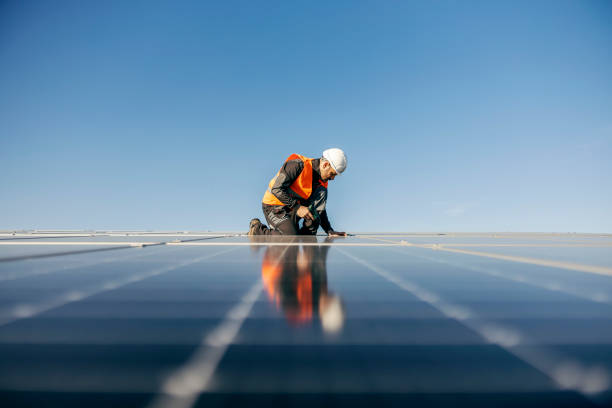
Commercial roof replacement is a critical investment for businesses, impacting not only the structural integrity of your building but also its energy efficiency and long-term value. Making informed decisions about replacing a commercial roof requires understanding key factors such as material options, costs, and the overall process. This guide breaks down important considerations to help you make the best choice for your business.
Why Commercial Roof Replacement Matters
- Water Leaks: Damaged roofs often cause water infiltration that can disrupt operations and damage interior spaces.
- Increased Energy Costs: Older or damaged roofing systems may lack proper insulation, leading to higher heating or cooling bills.
- Safety Hazards: Compromised roofs pose risks of collapse or other structural failures that could endanger employees and customers.
Regular inspections and timely replacements help mitigate these risks while improving building performance.
Key Factors to Consider When Replacing a Commercial Roof
- Building Requirements
Evaluate the unique characteristics of your building, including size, slope, and structural load capacity. These will determine which roofing materials are appropriate for your property. - Climate Conditions
Consider weather patterns in your area—hot climates may benefit from reflective materials that reduce heat absorption, while regions with heavy snowfall require durable designs that handle weight effectively. - Material Selection
Choosing the right material is crucial for longevity and cost-effectiveness. Popular options include: - TPO (Thermoplastic Polyolefin): Lightweight, energy-efficient, and affordable.
- EPDM (Ethylene Propylene Diene Monomer): Known for its durability and resistance to extreme temperatures.
- Metal Roofing: Long-lasting with excellent weather resistance but often higher upfront costs.
- Modified Bitumen: A budget-friendly choice offering decent strength against wear-and-tear.
- Budgeting & Costs
The cost of replacing a commercial roof depends on factors like material type, labor fees, removal costs for old roofing systems, and added features such as insulation upgrades or drainage improvements (see table below).
| Material Type | Average Cost Per Square Foot (Installed) |
| TPO | $5–$8 |
| EPDM | $4–$6 |
| Metal Roofing | $7–$12 |
| Modified Bitumen | $3–$6 |
- Local Regulations & Codes
Ensure compliance with local building codes when selecting materials or making structural modifications during roof replacement projects.
Steps to Streamline Your Decision-Making Process
- Conduct a professional inspection to assess current damage levels.
- Compare material options based on durability, cost-efficiency, aesthetics, and suitability for your climate.
- Request multiple quotes from reputable contractors before finalizing one provider.
- Explore financing options like government incentives or low-interest loans aimed at promoting energy-efficient upgrades.
By weighing all available options carefully while working with experienced professionals in the industry, businesses can ensure they select an optimal roofing solution suited to their operational needs.
Essential Insights and Services from a Commercial Roofing Contractor Phoenix, AZ
Commercial roof replacement is an essential undertaking for businesses aiming to maintain structural integrity, ensure safety, and protect their assets. A roof is a building’s first line of defense against environmental elements, and over time, wear and tear can severely compromise its performance. Understanding the fundamentals of commercial roof replacement helps business owners make informed decisions when addressing roofing issues.
Why Is Commercial Roof Replacement Important?
- Structural Integrity: A deteriorating roof can lead to leaks, water damage, mold growth, and compromised structural components.
- Energy Efficiency: Modern roofing materials can enhance insulation, reducing energy consumption and lowering utility bills.
- Enhanced Safety: An unstable or damaged roof poses risks to employees, customers, and valuable equipment inside the building.
- Compliance with Building Codes: Regular upgrades ensure adherence to safety standards and local regulations.
Common Reasons for Roof Replacement
- Extensive water leaks or moisture infiltration
- Visible sagging or structural compromise
- Materials nearing or exceeding their expected lifespan (e.g., 15–40 years depending on material)
- Damage from severe weather events such as hailstorms or hurricanes
- Growth of mold or mildew due to prolonged exposure to moisture
Signs It’s Time to Consider Roof Replacement
- Persistent leaks that reappear despite repeated repairs
- Blistering, cracking, or peeling on the surface
- Rising energy bills due to poor insulation performance
- Pooling water on flat roofs after rainfall
- Visible rust, corrosion on metal components
Factors Influencing Roof Lifespan
| Roofing Material | Expected Lifespan (Years) |
| EPDM | 20–30 |
| TPO | 15–25 |
| PVC | 20–30 |
| Asphalt Shingles | 15–20 |
| Metal Roofing | 40–70 |
Additionally, proper maintenance plays a critical role in extending the life of your commercial roofing system.
Proactive Steps for Business Owners
- Schedule regular professional inspections (at least twice a year).
- Address minor repairs promptly to avoid escalation.
- Ensure proper drainage systems are in place to prevent ponding issues.
By understanding the necessity and intricacies of commercial roof replacement, business owners can safeguard their investments while creating a safe environment for all stakeholders involved with their operations.
Understanding Industrial Roofing Phoenix, AZ: Costs and Financing Options for Businesses
When considering a commercial roof replacement, understanding the costs and available financing options is essential for effective budget planning. Roof replacement is a significant investment, but it offers long-term benefits such as increased energy efficiency, improved durability, and enhanced property value. Below, we explore the factors influencing costs and the financing options available to businesses.
Factors Influencing Commercial Roof Replacement Costs
- Roof Size: Larger roofs require more materials and labor, which increases costs proportionally.
- Roofing Material: The type of material impacts expenses significantly. For example:
- Single-ply membranes (e.g., TPO or EPDM) are generally more affordable.
- Metal roofing offers durability but tends to be more expensive upfront.
- Green roofs or solar-integrated systems have higher initial costs but provide energy-saving benefits over time.
- Roof Condition: The state of the existing roof is critical. If significant structural repairs or tear-offs are required, it will add to the total cost.
- Installation Method: The complexity of installation — whether it’s overlaying an existing roof or full removal — affects labor expenses.
- Local Regulations: Compliance with municipal codes or environmental requirements might necessitate additional steps that increase costs.
- Warranty Coverage: Extended warranties often come with higher upfront charges but offer long-term peace of mind.
| Factor | Impact on Cost |
| Size | Proportional to square footage |
| Material Choice | Varies by type (e.g., metal vs TPO) |
| Roof Condition | Repairs/tear-offs increase cost |
| Installation Method | Complexity affects labor fees |
| Local Regulations | Additional compliance measures |
Financing Options for Businesses
- Businesses can secure loans through banks to cover roofing expenses.
- Competitive interest rates may be available based on creditworthiness.
- Some lenders specialize in providing loans tailored for facility upgrades like roofing projects.
- These programs allow property owners to finance energy-efficient improvements like cool roofs or solar installations through property tax assessments.
- Some manufacturers offer leasing solutions where businesses pay installments over time rather than upfront lump sums.
- Federal or state programs may provide grants for sustainable roofing systems.
- Tax credits may also apply for energy-efficient upgrades (e.g., installing reflective coatings).
- Some organizations choose to allocate internal budgets toward roofing replacements by planning ahead and establishing reserve funds.
Tips for Managing Roofing Budget
To optimize your spending: – Obtain multiple quotes from certified contractors. – Prioritize long-term efficiency over short-term savings when selecting materials. – Work with financial advisors or consultants specializing in capital improvement projects.
Understanding the financial aspects of commercial roof replacement ensures that businesses can make informed decisions while managing their budgets effectively.

Exploring Commercial Flat Roofing Phoenix, AZ: Replacement Costs and Financing Options for Businesses
When considering a commercial roof replacement, understanding the associated costs and exploring financing options is crucial for business owners. The cost of replacing a commercial roof can vary significantly depending on factors such as roof size, materials used, labor involved, and the complexity of the installation process. In this section, we’ll break down these costs and discuss financing solutions to make the process manageable for businesses.
Key Factors Influencing Commercial Roof Replacement Costs
- Roof Size: Larger roofs require more materials and labor, increasing the overall cost.
- Material Choice: The type of roofing material selected significantly impacts pricing. For example:
- TPO (Thermoplastic Polyolefin): $5–$10 per square foot
- EPDM (Ethylene Propylene Diene Monomer): $4–$8 per square foot
- Metal Roofing: $7–$12 per square foot
- Built-Up Roofing (BUR): $5–$9 per square foot
- Roof Condition: If significant structural repairs or removal of old materials are required, expect additional charges.
- Installation Complexity: Features such as skylights, HVAC systems, or irregular roof shapes can drive up labor costs.
- Location: Labor rates and material availability vary by region, impacting pricing.
Estimated Cost Breakdown
| Roofing Material | Cost per Square Foot | Lifespan |
| TPO | $5–$10 | 15–20 years |
| EPDM | $4–$8 | 20–25 years |
| Metal | $7–$12 | 40+ years |
| Built-Up Roofing | $5–$9 | 15–30 years |
Keep in mind that additional expenses such as permitting fees and inspections may also apply.
Financing Options for Commercial Roof Replacements
- Commercial Loans
Many banks and credit unions offer loans specifically tailored to commercial property improvements. Interest rates and terms vary depending on credit history and the financial strength of your business. - Lease-to-Own Programs
Some roofing contractors provide lease-to-own programs where payments are spread over time while allowing immediate access to a new roofing system. - Property-Assessed Clean Energy (PACE) Financing
If your chosen roofing system includes energy-efficient features like solar panels or reflective materials, PACE financing may be an option. This program allows property owners to repay improvement costs through property taxes over an extended period. - Manufacturer Financing
Certain manufacturers partner with financial institutions to offer flexible payment plans directly to customers purchasing their products. - Grants or Government Incentives
Depending on your location and type of business, you may qualify for grants or tax incentives aimed at promoting energy-efficient upgrades.
Tips for Managing Costs
- Get multiple quotes from reputable contractors.
- Evaluate long-term savings from investing in durable or energy-efficient materials.
- Consider scheduling replacements during off-seasons when demand—and prices—may be lower.
- Work with contractors experienced in securing permits and adhering to local regulations to avoid costly delays.
By carefully assessing your needs and leveraging available resources, you can manage commercial roof replacement costs effectively while maintaining your building’s structural integrity and value.
How to Determine if Your Commercial Roofing Phoenix, AZ Property Needs Replacement or Repairs
Proper maintenance of a commercial roof is essential for protecting your investment and ensuring the safety of your business operations. However, it can be challenging to decide whether your roof needs repairs or a full replacement. To make an informed decision, consider the following factors, signs, and evaluation methods.
Essential Tips for Commercial Roof Installation in Phoenix, AZ
- Minor Leaks: Small water leaks that are localized and not widespread.
- Damaged Flashing: Flashing around vents, skylights, or chimneys that has minor issues but isn’t severely compromised.
- Ponding Water: Small areas where water collects but does not cause significant structural damage.
- Loose Material: Loose shingles or sections of roofing material that can be repaired without replacing an entire section of the roof.
For these problems, a professional roofing contractor can typically perform targeted repairs to restore functionality and prevent further damage.
Signs Your Roof May Require Replacement
- Age of the Roof: Most commercial roofs last 20–30 years depending on materials and maintenance. If your roof is nearing this age range, replacement should be considered.
- Extensive Damage: Widespread damage such as missing materials across large areas or consistent structural issues throughout the roof.
- Recurring Issues: Ongoing problems such as persistent leaks or mold growth even after multiple repairs may signify underlying failures in the roofing system.
- Significant Energy Loss: If heating and cooling bills are rising due to poor insulation from an aging roof, upgrading to modern materials could improve energy efficiency.
Evaluation Methods for Determining Next Steps
- Professional Inspection: Hire a licensed roofer to evaluate the integrity of your current system. They will look for structural weaknesses, water damage, and wear patterns.
- Moisture Surveys: Advanced moisture detection tools like infrared technology can identify hidden water intrusion areas that aren’t visible during a standard inspection.
- Cost-Benefit Analysis: Compare repair costs versus replacement costs over time (including maintenance). A repair may save money upfront but become more expensive if repeated frequently.
- Warranty Considerations: Check if your existing warranty covers certain defects or damages—this could influence whether you invest in repairs or opt for new construction.
| Factors | Repair | Replacement |
| Cost | Lower upfront | Higher upfront but long-term savings |
| Lifespan Extension | Short-term improvement | 20–30 years (depending on material) |
| Disruption Level | Minimal | Higher (but manageable with planning) |
Minimizing Business Disruptions During Repairs or Replacement
- Work with contractors to schedule work during off-hours if possible.
- Inform employees about potential noise levels and adjust workspace arrangements accordingly.
- Establish clear communication channels with contractors to address unexpected delays quickly.
Making an informed choice between repairing and replacing your commercial roof ensures you address current problems while safeguarding long-term performance goals.
What to Expect During a Commercial Roof Replacement Process: Minimizing Disruptions for Your Business
When it’s time to replace your commercial roof, understanding the process and how to minimize disruptions is crucial for maintaining business operations. A professional roofing contractor will guide you through the project from start to finish, but having a clear picture of what to expect can help you plan effectively.
Steps in the Commercial Roof Replacement Process
- Initial Inspection and Assessment
A comprehensive roof inspection is conducted to identify existing issues like leaks, structural weaknesses, or outdated materials. This helps determine the scope of work and ensures proper planning. - Detailed Project Planning
The contractor will create a detailed project timeline that includes material selection, scheduling, permits, and safety protocols. This phase also focuses on coordinating work hours to avoid interfering with your business operations. - Removal of the Old Roofing System
The existing roof materials are carefully removed in sections to minimize disruption and ensure safety on-site. Any underlying damage, such as rotting or compromised insulation, is addressed promptly. - Installation of New Roofing Materials
Based on your chosen roofing system (e.g., TPO, EPDM, metal), installation begins with laying insulation layers followed by waterproofing membranes or panels. Proper installation practices are critical for longevity and energy efficiency. - Final Inspection and Cleanup
Once installed, the new roof undergoes a final inspection to confirm compliance with building codes and quality standards. The worksite is cleaned thoroughly before handing over the space back to you.
Minimizing Disruptions During Roof Replacement
- Schedule Work During Off-Peak Hours
Plan roofing activities during weekends or non-operational hours when there’s minimal staff or customer presence. - Develop Communication Plans
Keep employees informed about project timelines and areas that might be restricted during replacement activities. - Work in Phases:
If your facility has multiple sections or zones, consider phasing out construction so only small portions are worked on at any given time. - Temporary Noise Mitigation:
Speak with contractors about reducing noise levels by using quieter equipment or scheduling loud tasks strategically.
Example Timeline: A Commercial Roof Replacement Project
| Phase | Expected Timeline | Key Activities |
| Initial Inspection | 1–2 Days | Assess existing conditions |
| Materials Procurement | 1–2 Weeks* | Ordering materials based on availability |
| Installation | Varies (1–3 weeks)** | Removal of old roof & installation |
| Final Inspection & Cleanup | 1 Day | Quality checks and returning space as-is |
* Lead times may vary depending on material types. ** Duration depends on property size and complexity of design.
Benefits of Professional Project Management
- Advanced scheduling techniques tailored for businesses.
- Compliance with building codes while maintaining safety standards.
- Quick troubleshooting in case unforeseen challenges arise during implementation.
Understanding what happens during a commercial roof replacement helps you prepare effectively while ensuring smooth operations throughout the process.
Exploring Tax Benefits and Incentives for Upgrading Your Commercial Roofing System
Investing in a new commercial roofing system has more advantages than just durability, energy efficiency, or aesthetics. Businesses can also benefit from various tax breaks and incentives that help offset the cost of the upgrade. Understanding these benefits can make your investment more financially strategic.
Key Tax Benefits of Commercial Roof Upgrades
- Section 179 Deduction: Section 179 of the IRS tax code allows businesses to deduct the full cost of qualifying roof improvements as an expense during the same year they were purchased and installed. This deduction is particularly beneficial for businesses looking to manage cash flow effectively.
- Bonus Depreciation: For certain eligible roofing systems, bonus depreciation may apply, allowing property owners to claim a large portion of their investment in a shorter period.
- Energy Efficiency Tax Incentives: Energy-efficient roofs may qualify for federal or state-level incentives under programs like the Energy Policy Act (EPACT). Reflective coatings and cool roofing systems often fall into this category.
| Tax Benefit | Description | Potential Savings |
| Section 179 Deduction | Deducts full cost in year one | Varies based on roof cost |
| Bonus Depreciation | Accelerated write-offs for eligible roofs | Up to 100% in some cases |
| Energy Efficiency | Rewards roofs meeting EPACT standards | $0.60-$1.80 per square foot |
State and Local Incentives
- Rebate Programs: Some utility companies provide rebates for reflective or solar-integrated roofing systems.
- Green Building Credits: Certain states provide additional credits for environmentally sustainable construction practices that include materials like TPO membranes or green roofs.
- Property Tax Relief: Some jurisdictions offer reduced property taxes for buildings meeting specific energy efficiency standards after a roof upgrade.
It’s recommended to consult with local government offices or utility providers to explore available programs tailored to your region.
How to Maximize Financial Returns
- Consult With a Tax Professional
A certified tax advisor can help identify which deductions or credits are applicable based on your business structure and location. - Invest in Roofing Systems That Qualify for Incentives
Prioritize materials that meet recognized energy efficiency standards such as ENERGY STAR® certification. - Keep Detailed Records
Maintain thorough documentation of costs incurred during installation, including receipts, certifications, and inspection reports. - Combine Federal & State Incentives When Possible
Many incentive programs can be layered together, providing maximum savings opportunities.
By understanding available tax benefits upfront and working with industry experts, you can reduce financial burdens while enhancing your facility’s long-term value through an upgraded commercial roofing system.
- How Commercial Roofing in Phoenix, AZ Ensures Long-Term Durability and Asset Management
- The Complete Guide to Commercial Roofing Phoenix, AZ Installation
- Essential Preparation and Assessment for Commercial Roofing Phoenix, AZ Installations
- Comprehensive Guide to Choosing a Commercial Roofing Company Phoenix, AZ
- Top Solutions for Commercial Roofing Phoenix, AZ: Repair and Replacement Experts
- The Ultimate Guide to Hiring a Commercial Roofing Company in Phoenix, AZ
- Understanding the Role of a Commercial Roofing Contractor in Phoenix, AZ