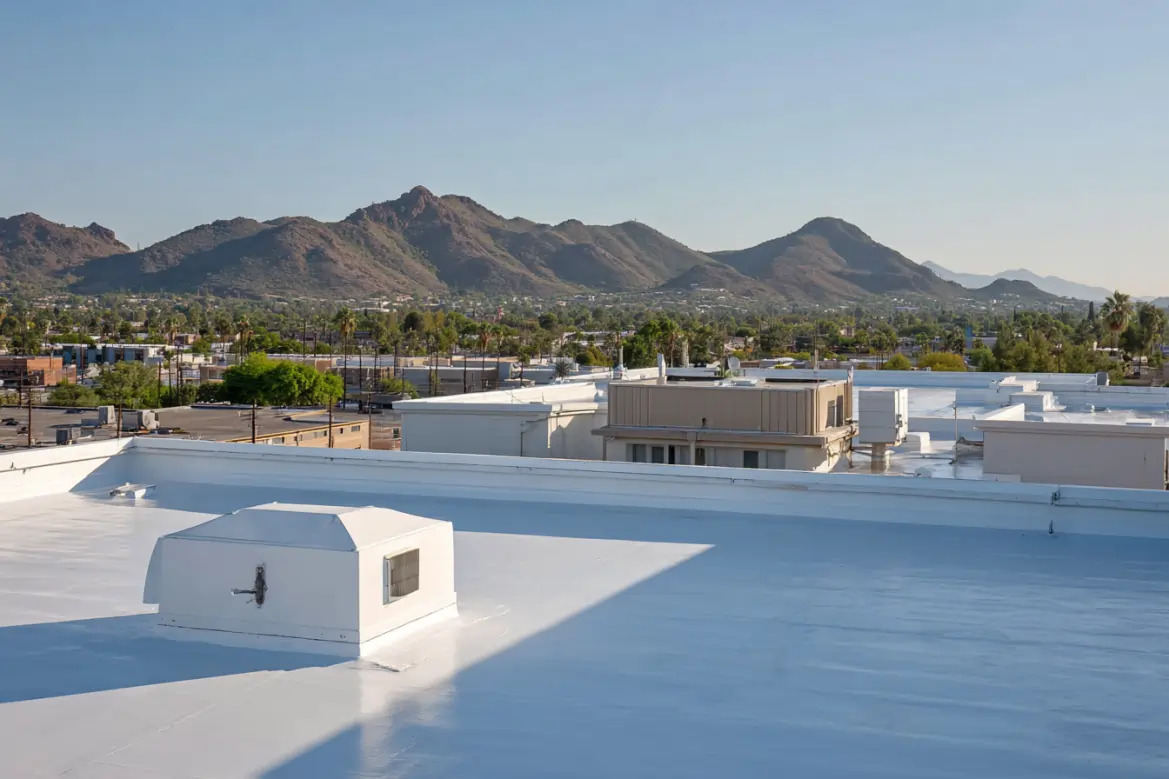
 Effective commercial roof asset management plays a critical role in ensuring the long-term durability of your building’s roofing system. A roof is one of the most significant investments for any commercial property, and managing this asset strategically can prevent costly repairs, extend its lifespan, and protect your investment.
Benefits of Proactive Roof Asset Management
- Extended Lifespan: Routine inspections and maintenance can significantly delay the need for a full roof replacement.
- Cost Savings: Regular upkeep minimizes unexpected repair expenses by catching issues early before they escalate.
- Enhanced Performance: A well-maintained roof provides better protection against weather elements, leaks, and structural damage.
- Improved Energy Efficiency: Ensuring your roof is in optimal condition helps insulate the building effectively, reducing energy costs.
- Asset Value Preservation: Maintaining your roof ensures that its value is retained over time, which benefits property resale or appraisal scenarios.
Key Components of Roof Asset Management
- Routine Inspections
Regular inspections are crucial to identifying potential issues early. Common inspection intervals include: - Quarterly reviews for high-traffic or exposed roofs
- Biannual inspections during seasonal changes (spring and fall)
- Post-storm evaluations to assess weather-related damage
- Preventive Maintenance
Preventive maintenance includes cleaning debris from gutters and drains, repairing minor leaks promptly, and reinforcing weak spots before they worsen. - Comprehensive Documentation
Maintain thorough records of all inspections, repairs, warranties, and materials used over time. This data helps track performance trends and supports decision-making regarding replacements or upgrades. - Engaging Professional Roofing Services
Partnering with certified roofing contractors ensures that work is completed correctly according to industry standards while minimizing risks.
Signs Your Roof May Need Attention
| Issue | Potential Cause | Recommended Action |
| Water stains or leaks | Damaged membrane or flashing | Inspect and repair promptly |
| Ponding water | Poor drainage design | Adjust slope or drainage |
| Cracked/loose materials | Wear due to aging/weather exposure | Replace damaged sections |
| Increased energy bills | Insufficient insulation | Upgrade insulation systems |
Long-Term Planning Strategies
- Develop a multi-year roof management plan tailored to the specific materials used on your commercial property.
- Budget annually for preventative maintenance rather than waiting for crisis situations.
- Explore energy-efficient solutions such as reflective coatings or green roofing systems to optimize performance over time.
Investing in professional assessments while implementing these practices will safeguard your building’s integrity while optimizing costs throughout the life cycle of your commercial roof asset.
How a Commercial Roofing Company Phoenix, AZ Can Help Ensure Long-Term Roof Durability
SW Commercial Roofing Of Phoenix
3428 N 15th Ave, Phoenix, AZ 85015
+14804477580
https://swcommercialroofing.com/locations/phoenix-arizona
Proper management of your commercial roofing assets is critical to ensuring the long-term durability and performance of your roof. A commercial roof is a significant investment, and its longevity depends on regular maintenance, strategic planning, and proactive care. By adopting an effective roof asset management plan, businesses can avoid costly repairs, minimize downtime, and extend the life of their roof.
Benefits of Commercial Roof Asset Management
- Prolonged Roof Lifespan
Regular inspections and maintenance can prevent small issues from escalating into major problems. This proactive approach helps extend the life expectancy of your roof. - Cost Savings
Addressing minor repairs early reduces the need for expensive emergency fixes or premature replacements. Long-term savings are possible when issues are resolved promptly. - Energy Efficiency Optimization
Asset management allows property owners to ensure that their roofing system remains energy-efficient by maintaining insulation, sealing leaks, and addressing weather damage promptly. - Reduced Liability Risks
Faulty or damaged roofs can lead to accidents or structural failures, posing safety concerns. A well-maintained roofing system minimizes such risks and liability exposure.
Key Components of a Commercial Roof Asset Management Plan
- Routine Inspections
Schedule regular inspections (at least twice a year) to identify early signs of wear and tear such as cracks, ponding water, or loose materials. - Comprehensive Documentation
Maintain detailed records of all inspections, repairs, warranties, and maintenance work performed on the roof. This documentation simplifies decision-making during future repairs or replacements. - Preventive Maintenance Plan
Follow a preventive maintenance schedule that includes clearing debris from gutters and drains, reinforcing flashing where necessary, and resealing seams to maintain the waterproof barrier. - Professional Assessments
Work with certified roofing professionals for accurate condition assessments to ensure potential problems are identified by experienced eyes before they escalate. - Budget Planning for Repairs & Replacement
Allocate funds ahead of time for expected repairs or eventual replacement based on the age and condition of your roofing system.
Common Risks Without Proper Asset Management
| Risk | Description |
| Water Damage | Neglected leaks allow moisture intrusion that damages building interiors |
| Energy Inefficiency | Poorly maintained roofs compromise insulation performance |
| Structural Deterioration | Long-term neglect weakens key structural components like decking |
| Increased Liability Costs | Safety hazards increase insurance claims or lawsuits from accidents |
Signs Your Roof Needs Immediate Attention
- Frequent interior water stains or leaks after rainfall.
- Bubbling or blistering in membrane systems.
- Noticeable sagging areas on flat roofs.
- Debris accumulation leading to clogged drainage systems.
- Significant wear on flashing around vents or HVAC systems.
Monitoring these common red flags ensures timely action before they escalate into severe issues that compromise both durability and safety.
By prioritizing commercial roof asset management strategies tailored to your building’s unique needs, you safeguard your investment while reducing operational disruptions over time.
How a Commercial Roofing Contractor in Phoenix, AZ Can Help Protect Your Building and Its Contents
A well-maintained commercial roof is one of the most critical components of a building’s overall structure, offering protection against weather-related damage, safeguarding interior assets, and ensuring the long-term stability of the property. Below, we explore how proper roof maintenance can prevent costly issues while preserving the integrity of your building and its contents.
Protection Against Weather Damage
- Water infiltration can lead to leaks, resulting in structural damage or mold growth.
- Prolonged exposure to UV radiation can cause roofing materials to deteriorate.
- Ice dams in colder climates can compromise seams and roofing membranes.
Preventive maintenance helps identify vulnerabilities early on and allows for timely repairs before minor issues escalate into major problems.
Preventing Interior Content Damage
- Preserving Inventory: Leaks or moisture buildup can damage stored goods or raw materials.
- Protecting Equipment: Water seepage around electrical equipment or HVAC systems could lead to malfunctions or costly repairs.
- Maintaining Indoor Comfort: A secure roof mitigates drafts and prevents hot or cold air from escaping.
Consider scheduling periodic inspections to verify that interior spaces remain unaffected by external roofing issues.
Prolonging Structural Integrity
| Common Roofing Issues | Potential Structural Risks |
| Clogged drainage | Ponding water leading to stress on the roof |
| Cracked membranes | Moisture seeping into walls or foundations |
| Missing shingles/panels | Exposed insulation causing material decay |
By addressing these concerns through routine inspections and proactive care, you reduce risks associated with weakened structures over time.
Key Maintenance Practices for Longevity
- Routine Inspections: Schedule biannual inspections (spring and fall) as well as after major storms.
- Debris Removal: Clear leaves, branches, and other debris from drains and surfaces regularly.
- Address Small Repairs Promptly: Fix small cracks, punctures, or loose flashing before they grow into larger problems.
- Monitor Drainage Systems: Ensure gutters and downspouts are free-flowing to prevent ponding water.
- Partner with Professionals: Work with certified roofing contractors who understand the specific needs of commercial roofs.
Economic Benefits of Proper Maintenance
- Extended lifespan of roofing materials
- Lower energy bills due to improved insulation
- Avoidance of expensive interior renovations caused by leaks
By prioritizing regular care for your commercial roof system, you not only protect your building but also maintain a safe environment for occupants while avoiding unnecessary expenses.
Enhancing Energy Efficiency with Industrial Roofing Phoenix, AZ Solutions
Energy efficiency is a critical consideration for commercial properties. A well-designed and maintained commercial roof can significantly reduce energy costs, improve overall building performance, and contribute to sustainability goals. Choosing the right roofing solutions to boost energy efficiency involves careful selection of materials, installation techniques, and ongoing maintenance practices.
Benefits of Energy-Efficient Roofing
- Lower Energy Bills: Reflective materials and insulation help control indoor temperatures, reducing heating and cooling costs.
- Improved Interior Comfort: By maintaining consistent temperatures, energy-efficient roofs ensure a better working environment for employees or tenants.
- Environmental Impact: Reduced energy consumption lowers carbon emissions, contributing positively to environmental sustainability goals.
- Increased Roof Longevity: Proper insulation prevents stress on roofing materials caused by fluctuating temperatures.
Types of Energy-Efficient Roofing Materials
| Material Type | Key Features | Benefits |
| Cool Roof Coatings | Reflective coatings that reflect sunlight | Reduces heat absorption & lowers HVAC usage |
| TPO (Thermoplastic Polyolefin) Membranes | Lightweight & heat-reflective | Ideal for flat roofs; resistant to UV radiation |
| Metal Roofing | Recyclable & durable | Can be coated for reflectivity; long lifespan |
| Green (Vegetative) Roofs | Layers of vegetation on the roof surface | Provides natural insulation; eco-friendly option |
Key Strategies to Enhance Energy Efficiency
- Install Proper Insulation: High-quality insulation under the roof prevents heat transfer, keeping interiors cooler during summer and warmer during winter.
- Choose Light-Colored or Reflective Materials: These materials minimize heat absorption by reflecting sunlight away from the building surface.
- Incorporate Ventilation Systems: Adequate ventilation ensures proper air circulation within attic or roof spaces, preventing moisture buildup and regulating temperature effectively.
- Utilize Solar Panels (if feasible): Integrating solar panels not only contributes to renewable energy generation but can also reduce dependency on conventional power sources.
- Regular Maintenance Checks: Schedule routine inspections to identify issues like cracks in reflective coatings or damaged insulation that may compromise efficiency.
Long-Term Cost Savings Considerations
While energy-efficient roofs may involve higher upfront costs compared to traditional options, their return on investment is evident over time through savings on utility bills and reduced maintenance expenses. Additionally, many regions offer tax incentives or rebates for adopting sustainable roofing systems.
By carefully selecting appropriate materials tailored to your building’s needs and implementing strategic maintenance practices, you can ensure your commercial roof contributes meaningfully toward reducing operational costs while promoting environmentally responsible practices at scale.
Essential Tips for Commercial Flat Roofing in Phoenix, AZ
Maintaining and addressing issues with a commercial roof is critical for ensuring the longevity of your building and safeguarding its contents. Both repairs and replacements come with unique challenges, but by following best practices, you can optimize the process, minimize costs, and maximize the roof’s lifespan. Below are key tips to guide your commercial roof repair and replacement efforts.
1. Schedule Regular Roof Inspections
Early detection of potential issues can prevent costly repairs or replacements in the future. Conducting regular inspections ensures that problems such as water pooling, membrane damage, or flashing deterioration are identified before they escalate.
- Inspect roofs semi-annually: once in fall (before winter weather) and once in spring (after harsh conditions).
- Check after major storms to assess potential damage.
- Leaks or water stains inside the building
- Cracks, punctures, or tears in roofing materials
- Loose or damaged flashing
2. Prioritize Repairs Based on Severity
Not all damages require immediate attention. Categorizing repair needs helps allocate resources efficiently.
| Category | Examples | Action Required |
| Critical | Active leaks, structural damage | Immediate repair |
| Moderate | Small cracks or minor pooling | Repair within weeks |
| Low Priority | Cosmetic wear, debris accumulation | Monitor during next inspection |
3. Choose the Right Roofing Materials
- EPDM Roofing: Ideal for flat roofs; highly durable and weather-resistant.
- TPO or PVC Membranes: Energy-efficient options that reflect heat.
- Metal Roofing: Long-life expectancy but may be costlier upfront.
- Built-up Roofing (BUR): Excellent protection against harsh weather but requires professional installation.
Ensure materials are compatible with existing systems to avoid unnecessary complications.
4. Hire Qualified Professionals
- Verify certifications (e.g., NRCA-certified contractors).
- Request references from previous projects.
- Confirm warranty terms before proceeding with repairs.
Professionals also ensure compliance with local building codes—a critical factor when undertaking significant updates like roof replacements.
5. Plan Proactively for Replacements
- Consider timing: Replace during off-seasons when labor costs may be lower.
- Budget accurately: Factor material costs, labor fees, permits, and disposal charges into your financial planning.
- Opt for energy-efficient solutions: For example, cool roofing systems can reduce energy costs significantly over time.
6. Ensure Proper Maintenance Post-Replacement
- Remove debris regularly to ensure proper drainage.
- Apply protective coatings to extend material life where applicable.
- Enforce a maintenance schedule agreed upon with your contractor.
Effective management after installation not only protects your investment but also prolongs replacement timelines significantly.
By implementing these strategies for repairing and replacing commercial roofs effectively, you establish both immediate resilience and long-term performance of one of your building’s most vital components—its roof system.
Essential Tips for Commercial Roof Installation Phoenix, AZ
Proper care of a commercial roof is critical to ensuring the longevity, safety, and functionality of your building. Timely repairs and strategic replacements can prevent costly damages, improve energy efficiency, and maintain the structural integrity of your property. Below are key tips to optimize your approach to commercial roof repairs and replacements.
Conduct Regular Roof Inspections
- Walkthrough Assessment: Check for visible signs of damage such as cracks, punctures, or missing flashing.
- Inspect Drainage Systems: Ensure gutters, downspouts, and drains are free from debris to prevent water pooling on the roof surface.
- Interior Checks: Look for water stains or leaks inside the building that may indicate roofing issues.
Address Repairs Promptly
- Fixing Minor Leaks Early: A small leak today can grow into a significant issue if left unattended.
- Repairing Flashing Damage: Damaged or loose flashing should be replaced immediately to protect seams from water infiltration.
- Replacing Damaged Membranes: If sections of roofing material are torn or punctured, replace them promptly to prevent further degradation.
Recognize When Replacement is Necessary
| Signs You Need a Roof Replacement | Details |
| Widespread Water Damage | Persistent leaks suggest compromised waterproofing layers. |
| Repeated Repairs | Frequent fixes point to an aging roof nearing its end-of-life cycle. |
| Structural Deterioration | Warped or sagging roofs signal structural concerns needing immediate attention. |
Choose High-Quality Materials for Replacement
- Metal Roofing: Known for durability and low maintenance needs.
- TPO (Thermoplastic Polyolefin): Offers excellent energy efficiency with reflective properties.
- Modified Bitumen Roofing: A strong option for flat roofs with great resistance to harsh weather conditions.
Hire Professional Roofing Contractors
Always work with licensed and experienced contractors for both repairs and replacements. Professionals bring essential knowledge about local building codes, warranties, and advanced techniques that ensure quality results.
Key benefits of hiring professionals include: 1. Comprehensive inspections that leave no detail unnoticed. 2. Access to industry-grade materials at competitive prices. 3. Proper safety protocols during project execution.
Maintain Documentation
Keep detailed records of all inspections, repairs, and replacement work performed on your roof. This includes receipts, warranties, maintenance schedules, and contractor contracts—documentation not only supports warranty claims but also helps track overall expenses over time.
By following these tips diligently, you can extend the lifespan of your commercial roof while protecting your investment efficiently over time.
- How Commercial Roofing in Phoenix, AZ Ensures Long-Term Durability and Asset Management
- The Complete Guide to Commercial Roofing Phoenix, AZ Installation
- Essential Preparation and Assessment for Commercial Roofing Phoenix, AZ Installations
- Comprehensive Guide to Choosing a Commercial Roofing Company Phoenix, AZ
- Top Solutions for Commercial Roofing Phoenix, AZ: Repair and Replacement Experts
- The Ultimate Guide to Hiring a Commercial Roofing Company in Phoenix, AZ
- Understanding the Role of a Commercial Roofing Contractor in Phoenix, AZ